All Categories
Featured
Table of Contents
The Acquisition reports reveal you where your users are originating from, such as natural search, social media, or paid advertising. The Engagement reports reveal you how users are communicating with your website, such as which pages they're visiting and how long they're remaining. The Money making reports reveal you how your website is creating earnings, such as through e-commerce sales or advertising.
You can use the drag-and-drop user interface to produce reports that are customized to your particular needs. Friend analysis allows you to group users based on their habits and track their performance over time.
Path analysis enables you to see the courses that users take through your site. This section is where you can incorporate GA4 with your Google Advertisements account.
Top Marketing Innovations for 2026
You can manage your data streams, define custom-made occasions, and set up conversions. This is also where you can link GA4 with other Google products, such as Google Ads and Google Search Console. Tracking key occasions is crucial for understanding user behavior and determining the success of your site. In GA4, everything is an occasion, so you need to specify which occasions are most important to track.
Modern Strategies for Identification in 2026To track these events, you can use either the integrated event tracking features of GA4 or produce custom events utilizing Google Tag Supervisor. GA4 immediately tracks a number of events, such as page views, scrolls, outbound clicks, website search, video engagement, and file downloads. These occasions are allowed by default, so you don't require to do anything to start tracking them.
If you desire to track how lots of users click on a specific button, you'll need to create a customized event for that button click. To produce a customized event, you'll need to use Google Tag Supervisor. Initially, develop a new tag in Google Tag Supervisor and choose the "Google Analytics: GA4 Event" tag type.
Occasion specifications are additional pieces of info that you wish to track in addition to the occasion. For instance, if you're tracking button clicks, you might wish to track the URL of the page where the button was clicked. Once you have actually configured your tag, you'll require to establish a trigger.
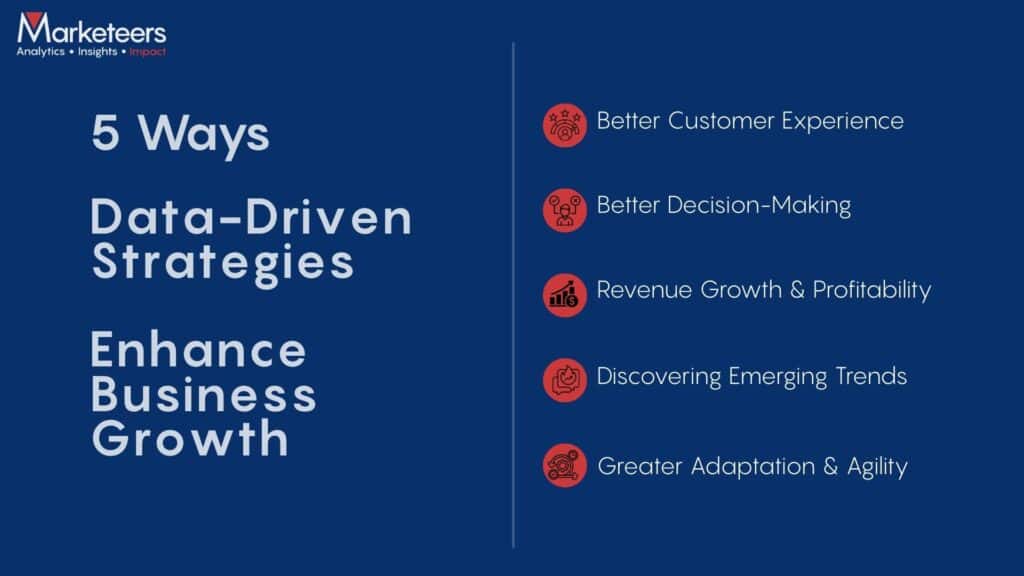
Modern Strategies for Identification in 2026Scaling the Business With Data-Driven Strategies
You might desire to fire the tag when a user clicks on a specific button. To establish a trigger, pick the "Click" trigger type and configure the trigger settings. You can define which button you wish to track by utilizing the button's ID or class. As soon as you've set up your tag and trigger, release the modifications in Google Tag Manager.
By tracking crucial occasions, you can get important insights into user habits and measure the success of your site. Examining information and generating reports in GA4 is vital for understanding your website's efficiency and making data-driven choices. GA4 provides a range of basic reports that you can utilize to examine your data.
The Acquisition reports show you where your users are originating from, the Engagement reports show you how users are engaging with your website, the Monetization reports show you how your site is producing profits, and the Retention reports show you how well you're keeping users gradually. In addition to the basic reports, GA4 also permits you to develop custom-made reports.
To develop a custom-made report, go to the Explore section and choose the type of report you desire to create. GA4 provides a variety of report types, such as free-form reports, funnel exploration reports, path expedition reports, and associate exploration reports. Free-form reports enable you to develop customized tables and charts.
Path expedition reports allow you to see the paths that users take through your website. Friend exploration reports allow you to group users based upon their habits and track their performance gradually. As soon as you've selected the type of report you wish to create, you can use the drag-and-drop user interface to include dimensions and metrics to your report.

Proven SEO Strategies for Online Sites
Metrics are quantitative measurements of your information, such as users, sessions, or income. You can also use filters to your report to narrow down the information that you desire to analyze. For example, you can filter your report to just show data for users who lie in a specific nation.

Latest Posts
Essential Analytics Guides for Modern Shop Growth
The Future of Lifecycle Tactics
Digital Marketing Tactics for Online Stores